What Is a Douching Bag?
Struggling to find a reliable way to feel fresh and clean down there? You’re not alone—many people want a gentle, effective method for vaginal hygiene but worry about safety and comfort. That’s where a douching bag can come in handy, offering a targeted solution for cleansing with ease.
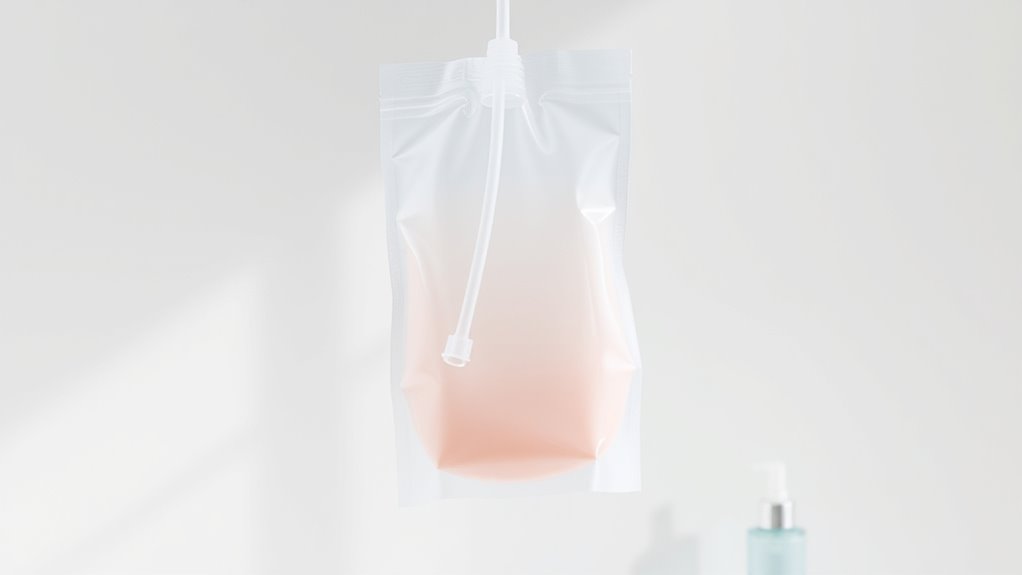
A douching bag’s a specialized device for vaginal irrigation, mainly used to cleanse the vagina with saline or other recommended solutions. People often use it post-menstrual cycle, after intercourse, or before gynecological exams.
However, using a douching bag carries risks, like disrupting natural flora and increasing infection chances. It’s important to consult your healthcare provider for safe practices and suitable solutions.
Want to learn more about safe usage and alternatives for vaginal hygiene?
Key Takeaways
- A douching bag is a specialized device for vaginal irrigation, typically made from plastic or silicone materials.
- It is used for cleansing and maintaining hygiene, especially after menstruation or intercourse.
- Recommended solutions for douching include mild saline or vinegar mixtures, but it’s best to consult a healthcare professional first.
- Frequent douching can disrupt the natural vaginal flora and increase the risk of infections.
- Alternatives for vaginal hygiene include gentle washing with soap and water and using natural cleansers.
What Are Douching Bags and How Are They Used?
Douching bags are specialized devices designed for vaginal irrigation, often used for cleansing or maintaining hygiene. These bags typically come in various materials, such as plastic or silicone, making them easy to handle and clean. When you use a douching bag, you’ll want to choose the right douching techniques to guarantee effectiveness and safety.
Start by filling the bag with a recommended solution, usually a mild saline or vinegar mixture. As you squeeze the bag gently, the solution flows through the nozzle, allowing for thorough irrigation. It’s essential to follow guidelines for frequency and duration to avoid disrupting your natural flora. Always consult with a healthcare provider before starting any douching practices, as improper use can lead to irritation or infection. With the right knowledge and careful use, douching bags can be a part of your hygiene routine.
Common Uses for Douching Bags
Many people use douching bags for various purposes beyond basic hygiene. You might consider using them for personal hygiene, especially if you want to feel refreshed after your menstrual cycle. Some women also use douching bags to maintain vaginal health, especially after intercourse or during certain infections.
Furthermore, douching bags can help you clean the vaginal area before a gynecological exam. You might find that some use them to apply medicated solutions prescribed by a healthcare provider, aiding in the treatment of specific conditions.
However, it’s important to keep in mind that using douching bags should be done cautiously and ideally under medical guidance. You’ll want to verify that you’re making informed choices to support your personal hygiene and overall vaginal health. Always prioritize what feels right for your body, and consult a healthcare professional if you have any concerns.
Risks of Using Douching Bags
While douching bags may seem like a convenient option for maintaining vaginal health, they carry several risks that you should be aware of. Many women believe that douching can help cleanse the vagina, influenced by cultural beliefs that promote this practice.
However, using a douching bag can disrupt your natural vaginal flora, leading to an imbalance that might cause infections like bacterial vaginosis or even increase the risk of sexually transmitted infections. Moreover, douching can irritate the vaginal lining, resulting in discomfort and other health implications.
Using a douching bag can disrupt natural vaginal flora, leading to infections and irritation of the vaginal lining.
Research shows that frequent use can even affect fertility. It’s important to recognize that your body has a natural self-cleaning mechanism, and you may not need to rely on douching bags at all.
Always consult with a healthcare provider before considering any douching practices to verify you’re making the best choice for your health.
Choosing the Right Douching Solution
How can you choose the right douching solution if you decide to use one? Start by considering the type that suits your needs. Herbal solutions often appeal to those seeking natural options, while saline solutions provide a straightforward, gentle cleanse.
Here’s a quick comparison to help you decide:
| Solution Type | Benefits |
|---|---|
| Herbal Solutions | Natural ingredients, soothing |
| Saline Solutions | Gentle, easy to prepare |
| Herbal Solutions | Potentially fewer side effects |
| Saline Solutions | Widely available, cost-effective |
| Herbal Solutions | Customizable blends |
Before making a choice, think about any sensitivities you may have and consult with a healthcare professional. The right solution can support your vaginal health, so take the time to make an informed decision.
Using a Douching Bag Safely
When you’re using a douching bag, it’s really important to know about the possible risks involved. You want to make sure you’re following the recommended ways to use it so you stay safe and healthy.
Potential Risks Involved
Using a douching bag can seem like a straightforward way to maintain vaginal hygiene, but it comes with potential risks you should be aware of. Overusing a douching bag can disrupt your natural vaginal flora, which may lead to infections or irritation. It might also increase your risk of pelvic inflammatory disease and other complications.
Being informed about these risks is essential for your vaginal health.
| Potential Risks | Description |
|---|---|
| Disruption of Natural Flora | Can lead to infections and irritation |
| Increased Infection Risk | Higher chances of pelvic inflammatory disease |
| Allergic Reactions | Potential reactions to douching solutions |
| False Sense of Cleanliness | May encourage poor hygiene practices |
Always consult a healthcare professional before incorporating any new hygiene practices.
Recommended Usage Practices
Maintaining safe practices while using a douching bag is essential for your vaginal health. First, always consult your healthcare provider before starting any douching routine to dispel common douching misconceptions.
Remember, douching isn’t necessary for most women and can disrupt your natural balance. If you decide to proceed, use only sterile water or recommended solutions, avoiding harsh chemicals.
Limit frequency to reduce risks, and never use a douching bag during menstruation or after intercourse. Consider alternative hygiene methods, like gentle washing with water and mild soap, to maintain cleanliness without disrupting your vaginal flora.
Listening to your body is key. If you experience discomfort or unusual symptoms, stop immediately and consult a professional. Your health should always come first.
Common Misconceptions About Douching
Although many people believe douching is essential for vaginal hygiene, this practice is often based on misconceptions. Douching history shows that it was once thought to be a necessary routine for cleanliness, but research indicates it can disrupt your natural balance and lead to infections.
You might think douching helps eliminate odor or discharge, but your body already has its own mechanisms for maintaining hygiene.
Instead of douching, consider alternatives like unscented soap and water or simply wearing breathable cotton underwear. These methods support your body’s natural processes without the risks associated with douching.
Many healthcare professionals recommend leaving vaginal health to your body, as it effectively self-cleans. By understanding these misconceptions, you can make informed choices about your hygiene and overall health.
Always prioritize your well-being by exploring safe, effective alternatives instead of relying on outdated practices.
When Should You Consult a Healthcare Professional?
If you’ve been relying on outdated practices like douching for vaginal hygiene, it’s important to recognize when you might need professional guidance. If you experience unusual vaginal odor, itching, or discharge, these could be signs of an infection. Ignoring these infection symptoms can lead to more serious complications.
Consult a healthcare professional if you notice persistent discomfort or if over-the-counter treatments aren’t helping. Your vaginal health is vital, and a doctor can provide tailored advice and appropriate treatments that douching simply can’t offer.
Additionally, if you’re unsure about what’s normal for your body or feel anxious about your symptoms, don’t hesitate to reach out. Taking proactive steps can help you maintain not just your vaginal health but also your overall well-being. Remember, seeking help early on can make all the difference in effectively addressing any issues.
Alternatives for Vaginal Hygiene
Regarding vaginal hygiene, there are several effective alternatives to douching that can help you maintain balance without disrupting your natural flora. First, consider natural alternatives like gentle cleansers specifically designed for vaginal health. These products help maintain pH balance without harsh chemicals.
Incorporating probiotics into your routine is another safe method; they support healthy vaginal flora. Furthermore, herbal remedies, such as tea tree oil or calendula, can be beneficial when used correctly.
For menstrual care, using organic cotton products can reduce irritation and keep your vaginal area healthy. Always prioritize hygiene practices that respect your body’s natural processes.
Key Health Concerns and Myths About Douching
When it comes to douching, a lot of folks don’t realize the health risks that can come with it. You’ve probably heard some myths about vaginal hygiene that might make things confusing. So, let’s clear up those misunderstandings and take a closer look at why douching might not be the healthiest option for you.
Common Health Risks
Although many believe douching can promote cleanliness, it actually poses several health risks. Engaging in frequent douching can disrupt your natural vaginal flora, leading to infections and complications.
Instead of douching, consider alternative methods for maintaining hygiene, such as gentle washing with water or using unscented soap.
Here’s a quick overview of the common health risks associated with douching:
| Health Risk | Description | Alternative Methods |
|---|---|---|
| Infections | Increases risk of bacterial vaginosis | Gentle washing |
| Irritation | Can cause irritation or inflammation | Mild, unscented soap |
| pH Imbalance | Disrupts natural pH levels | Natural vaginal care |
| Fertility Issues | May affect fertility | Consult healthcare provider |
| STIs | Can increase susceptibility to STIs | Safe sexual practices |
Misconceptions About Douching
Many people assume douching is a necessary part of hygiene, but this belief is steeped in misconceptions. You might think that douching improves vaginal health or is a must for proper hygiene practices, but medical advice indicates otherwise.
Many cultures promote douching due to longstanding cultural beliefs, yet it can disrupt your natural balance. Instead of relying on such methods, consider natural remedies and consult healthcare professionals about safe practices.
Societal pressures can make you feel like douching is essential, but remember, your personal choices should prioritize health over trends. Ultimately, understanding product safety and the potential risks associated with douching is vital for maintaining your well-being.
Tips for Selecting the Right Douching Bag
Choosing the right douching bag can make a significant difference in your experience and comfort. First, consider the bag materials. Look for BPA-free plastic or silicone, as these are safe and easy to clean. Avoid materials that might irritate sensitive areas.
Next, think about the size and capacity of the bag. A larger bag can hold more fluid, which may be beneficial for specific douching techniques. However, a smaller bag might be easier to handle.
Also, pay attention to the nozzle design. A tapered or flexible nozzle can help you reach where you need to, ensuring a more comfortable experience.
Finally, check user reviews or consult with healthcare providers to find a douching bag that meets your needs. With the right choices, your douching routine can be safe and effective.
Frequently Asked Questions
Can Douching Bags Be Reused After Cleaning?
You shouldn’t reuse douching bags, even after cleaning. Douching bag safety is essential, as bacteria can linger despite your best cleaning techniques.
If you decide to clean it, make sure to use hot, soapy water and rinse thoroughly. But keep in mind the risk of infection increases with reuse.
It’s safer to use a new bag each time to protect your health and avoid potential complications. Prioritize your well-being!
Are There Any Age Restrictions for Using Douching Bags?
Regarding age restrictions for using douching bags, there aren’t strict rules, but it’s wise to reflect on health implications. Generally, younger individuals might not need them, as many health professionals advise against douching altogether.
Cultural perspectives also vary; some cultures may encourage it, while others warn against potential risks. Remember, “an ounce of prevention is worth a pound of cure,” so always consult a healthcare provider before making decisions.
How Often Can I Use a Douching Bag Safely?
You should limit douching frequency to once a month or less to practice safe habits. Frequent use can disrupt your natural vaginal flora and lead to infections.
Always consult with a healthcare provider before starting any routine. If you notice any unusual symptoms, it’s essential to seek advice.
What Materials Are Douching Bags Typically Made From?
Douching bags are typically made from materials like latex, silicone, or plastic. These materials are chosen for their flexibility and durability.
When you’re using a douching bag, it’s crucial to focus on safe cleaning, making sure the bag is thoroughly sanitized before and after use. This helps prevent infections and maintain hygiene.
Always check for any signs of damage or wear, and replace the bag if necessary to guarantee your safety.
Can Douching Bags Help With Menstrual Hygiene?
While the idea of using a douching bag might seem appealing for menstrual hygiene, it’s not recommended. Instead of enhancing your menstrual health, it can disrupt your natural vaginal flora. Imagine the delicate balance of your body’s ecosystem being thrown into chaos!
Stick to gentle cleansing methods, like warm water, to maintain vaginal hygiene. Trust your body’s natural processes; they’re designed to keep you healthy and balanced during your cycle.
Conclusion
To sum up, while douching bags might seem appealing for vaginal hygiene, it’s essential to understand their risks and proper usage. For example, consider Sarah, who used a douching bag regularly to feel fresh but ended up with recurrent yeast infections.
By consulting her healthcare professional, she learned that her body self-regulates and that douching wasn’t necessary. Always prioritize your health and investigate safer alternatives before diving into douching bag practices.