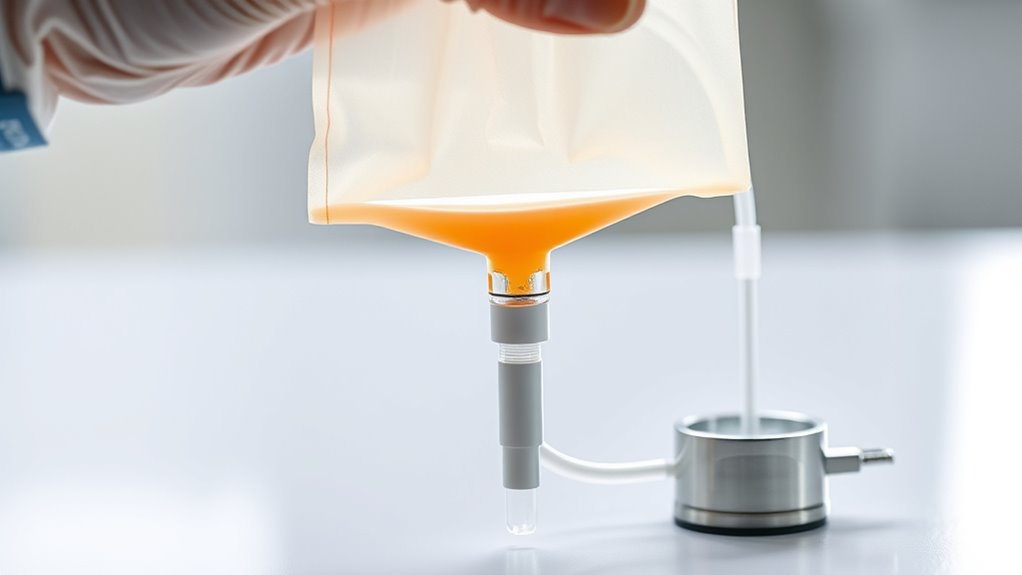
3 Simple Steps to Drain a Catheter Bag
Draining a catheter bag can feel tricky and even a bit overwhelming at first. If you’ve ever struggled with keeping the process clean and hassle-free, you’re not alone. Many people find it challenging to manage this task smoothly, but with the right approach, it can become much easier and more manageable.
To drain a catheter bag, start by gathering your supplies, including a clean collection container and gloves.
Next, wash your hands thoroughly, then securely position the container under the drainage tube. Open the clamp to let the urine flow into the container.
After draining, wipe the drainage tube with a disinfectant, and allow it to air dry. Staying organized and hygienic is essential, and there’s more you can learn to make this process even smoother.
Key Takeaways
- Wash your hands thoroughly and gather all the necessary supplies for a clean and safe drainage process.
- Securely position the collection container under the drainage tube before you open the clamp.
- Open the clamp to let the urine flow into the container, and keep an eye out to avoid any spills.
- After draining, wipe the drainage tube and spout with disinfectant to keep things hygienic.
- Dispose of the waste properly, then wash your hands again to prevent any infection.
Gather Your Supplies for Catheter Bag Drainage
Before you begin draining the catheter bag, it’s essential to gather all necessary supplies. Grab a clean collection container, as this will help you accurately measure the output. Depending on the catheter bag types you’re using, you might also need gloves, antiseptic wipes, and a disposal bag for hygiene.
Make certain you have a timer or clock handy to keep track of the drainage frequency; this can help you stay on schedule and maintain proper care. If you’re using a leg bag, you might need a different setup compared to a night bag, so be prepared for those variations.
Having everything ready not only streamlines the process but also reduces the risk of infection. By staying organized, you guarantee that draining the catheter bag goes smoothly and safely. Remember, preparation is key to maintaining your health and comfort.
How to Safely Drain a Catheter Bag?
To safely drain a catheter bag, start by washing your hands thoroughly to prevent any risk of infection. Next, gather your supplies, including a clean container for the urine. Position the container under the drainage tube, guaranteeing it’s stable.
Open the clamp on the drainage tube and allow the urine to flow into the container. Avoid touching the end of the tube or the inside of the container to maintain proper catheter care. Once drained, close the clamp and wipe the drainage tube with a disinfectant wipe before reattaching it.
Here’s a quick reference table for drainage techniques:
| Step | Tip |
|---|---|
| Wash hands | Always start with hygiene |
| Position container | Secure it to prevent spills |
| Wipe tube | Disinfect before reattaching |
Following these steps helps guarantee effective catheter care and minimizes infection risks.
Essential Hygiene and Comfort Tips for Catheter Bag Drainage
Maintaining hygiene and comfort during catheter bag drainage is essential for your well-being. Start by washing your hands thoroughly with soap and water before handling the catheter bag. This simple step guarantees proper catheter care and helps prevent infections.
When you’re ready to drain, position the bag above the toilet or drainage container to avoid spills. Use a clean receptacle to catch the urine, and make sure the drainage tube doesn’t touch the container, which could introduce bacteria. After draining, clean the spout with alcohol wipes and allow it to air dry.
Also, consider wearing comfortable clothing that doesn’t irritate the catheter. If you experience any discomfort or skin irritation, consult your healthcare provider for advice on hygiene practices that can improve your comfort. Regularly check the bag for leaks or blockages, and change it as recommended to maintain ideal hygiene.
Frequently Asked Questions
How Often Should a Catheter Bag Be Drained?
You should drain a catheter bag every 3 to 6 hours, or whenever it’s about two-thirds full. This draining frequency helps maintain hygiene and prevents backflow, reducing infection risk.
When you do this, remember to wash your hands and use clean techniques. Also, check for kinks in the tubing and keep the bag below bladder level for ideal drainage. Following these maintenance tips guarantees both comfort and safety for you.
What Should I Do if the Catheter Bag Leaks?
If your catheter bag leaks, first check the connections for any loose fittings. Tighten them if needed. Verify the bag’s positioned correctly to prevent kinks.
If the leak persists, replace the bag. Regular catheter care is essential for avoiding leaks; always follow proper hygiene practices and inspect your equipment.
For leak prevention, keep the bag below bladder level and avoid overfilling it. Don’t hesitate to consult your healthcare provider for further assistance.
Can I Drain the Catheter Bag Myself?
Absolutely, you can drain the catheter bag yourself. Think of it like tending a garden; proper catheter care is essential for your health.
Use safe drainage techniques to avoid complications. Make certain to wash your hands and use clean equipment.
Position the bag lower than your bladder to guarantee efficient drainage, and always check for any signs of leaks or blockages.
Regular monitoring helps maintain your comfort and well-being.
How Do I Know if the Catheter Is Blocked?
You can tell if the catheter is blocked by checking for reduced urine flow or no flow at all. If you notice any unusual swelling or discomfort, that’s another sign of possible flow obstruction.
Regular catheter maintenance is essential; it helps prevent blockages. Keep an eye on the tubing for kinks or twists, and make sure the bag is positioned lower than your bladder to allow proper drainage.
What Signs Indicate a Possible Infection?
If your catheter’s a ticking time bomb, watch for infection symptoms like fever, chills, or unusual swelling. You might notice redness or discharge around the catheter site too.
Pain during urination is another red flag. Good catheter care is essential to prevent these issues, so always keep the area clean and follow your healthcare provider’s guidance.
Don’t ignore these signs. Acting quickly can make all the difference!
Conclusion
In just three simple steps, you can efficiently drain a catheter bag while ensuring hygiene and comfort. Remember, taking the time to do it right not only keeps you clean but also helps prevent infections.
Isn’t your health worth a few extra moments of care? By following these guidelines, you’ll feel more confident in managing your catheter bag and maintaining your well-being.
Stay informed, and take charge of your health with ease by mastering how to drain a catheter bag.