What Is a Checked Bag?
Traveling with luggage can be a real hassle, especially when you’re juggling what to pack and how to manage your bags at the airport. You’re not alone—many people struggle with figuring out the best way to handle their belongings without stress.
That’s why understanding what a checked bag is can make your trip smoother and less overwhelming.
A checked bag is your luggage that you hand over to the airline at check-in, so you can travel without managing it in the cabin. It goes in the cargo hold during the flight, freeing up space for you.
Remember, airlines have specific size and weight limits, so it’s essential to check those to avoid extra fees.
If you want to know more about packing tips and how to track your bag, keep exploring!
Key Takeaways
- A checked bag is a suitcase you hand over to the airline before boarding. It’s stored in the aircraft’s cargo hold during the flight.
- This lets you travel without having to manage your luggage in the cabin.
- Most airlines limit checked bags to 62 linear inches in size and 50 pounds in weight.
- Checked bags need to be checked in, which means spending more time at the airport compared to just carrying on luggage.
- There can also be extra fees like overweight charges or seasonal fees, so it’s smart to check the airline’s policies beforehand.
What Is a Checked Bag and How Does It Work?
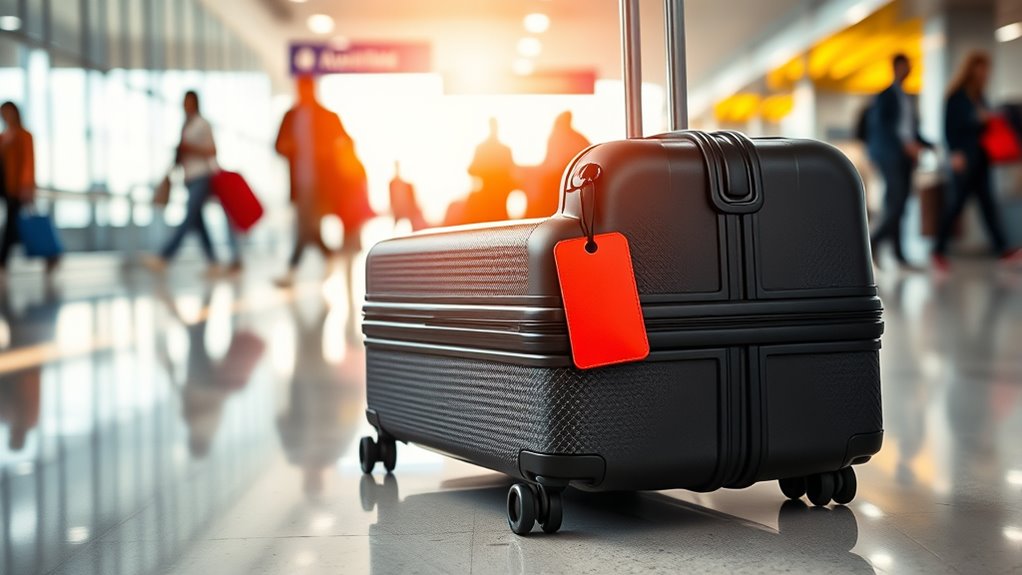
A checked bag is your suitcase or travel bag that you hand over to the airline before boarding. You won’t need to worry about it during the flight, as it gets stowed in the aircraft’s cargo hold.
When packing, keep in mind the baggage dimensions set by your airline; they can vary, so always double-check. It’s essential to adhere to these limits to avoid extra fees.
Here are some quick travel tips: First, pack essential items in your carry-on, just in case your checked bag gets delayed. Second, label your bag clearly with your contact information.
Here are essential travel tips: pack important items in your carry-on and clearly label your bag with contact information.
Finally, consider investing in a durable suitcase that can withstand rough handling. By following these guidelines, you’ll make the most of your checked bag experience and travel with greater peace of mind.
Checked vs. Carry-On: Key Differences You Should Know
While both checked bags and carry-ons serve the purpose of transporting your belongings, they differ greatly in size, convenience, and handling. Carry-ons are typically smaller, fitting within specific baggage dimensions that allow you to stow them in the overhead bin or under the seat. This gives you quicker access to your essentials during the flight.
On the other hand, checked bags are larger and require you to hand them over at check-in, which can add extra time at the airport.
Here are some key differences to weigh:
- Accessibility: Carry-ons remain with you, while checked bags are out of sight.
- Travel Convenience: Carry-ons let you avoid baggage claim, saving time upon arrival.
- Weight Limits: Checked bags often have higher weight limits than carry-ons.
Understanding these differences can help you choose the best option for your travel needs.
Size Limits for Checked Baggage: What You Need to Know
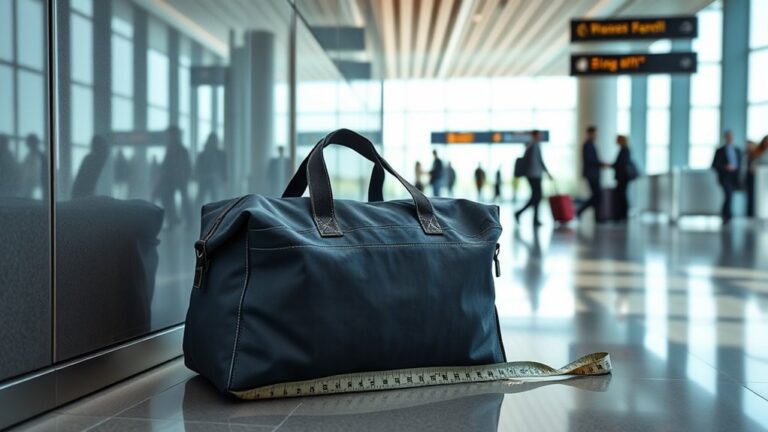
When planning your trip, understanding size limits for checked baggage is essential. Most airlines allow checked bags up to 62 linear inches (length + width + height) and a weight limit of 50 pounds. Exceeding these limits can lead to overweight charges, which can quickly add up.
If you’re flying internationally, be sure to check the specific airline’s guidelines, as they may differ from domestic policies. Some international carriers may have stricter size and weight regulations, so it’s vital to review these before you pack.
To avoid surprises at the airport, measure your bag and weigh it beforehand. If your bag is over the limit, consider repacking or removing items to stay within the allowable range. Being informed can save you time and money, ensuring a smoother travel experience.
Common Fees for Checked Bags: What to Expect
Understanding size limits for checked baggage is just the beginning; being aware of common fees can save you from unexpected costs. Airlines often impose various charges that can add up quickly. Here are some fees you might encounter:
Being aware of common baggage fees can help you avoid unexpected costs and budget effectively for your travels.
Overweight charges: If your bag exceeds the weight limit, expect to pay extra.
Baggage insurance: Consider this option to protect your belongings, especially for valuable items.
Seasonal fees: Certain times of the year might bring increased fees due to high demand.
Before you travel, it’s wise to check your airline’s specific policies, as they can vary. Some airlines even offer discounts for pre-paying baggage fees online. By understanding these common charges, you can budget effectively and avoid surprises at check-in.
Packing Restrictions: What Can and Can’t Go in Your Checked Bag?
What should you pack in your checked bag? Knowing what’s allowed can save you time and hassle. Here’s a quick guide to packing restrictions based on airline regulations:
| Allowed Items | Forbidden Items |
|---|---|
| Clothes and shoes | Explosives and flammable items |
| Food items (solid) | Liquids over 3.4 ounces |
| Fragile items (well-packed) | Prohibited devices (e.g., firearms) |
| Gifts (packaged) | Certain electronics (check specific airlines) |
| Weight limits (usually 50 lbs) | Sharp objects (knives, scissors) |
Keep in mind that liquid restrictions apply, especially for international travel. Fragile items should be cushioned. Also, be aware of weight limits to avoid extra fees. Always check your airline’s specific guidelines to guarantee compliance with packing rules. Happy travels!
Packing Essentials for Your Checked Bag
After you’ve sorted out what you can’t pack, it’s time to focus on what to include in your checked bag. Using effective packing strategies guarantees you include all your essential items while maximizing space.
Start by considering these key essentials:
- Clothing: Pack versatile outfits that you can mix and match. Don’t forget layers for varying climates.
- Toiletries: Bring travel-sized products in leak-proof containers to avoid any spills.
- Electronics: Include chargers and any devices you’ll need, guaranteeing they’re well-protected.
How to Track Your Checked Bag While Traveling
How can you keep tabs on your checked bag while traveling? One of the easiest ways is to use baggage tracking features provided by many airlines. Most major airlines have integrated tracking systems that allow you to monitor your bag’s journey through their websites or mobile apps. Simply enter your baggage claim number, and you’ll get real-time updates.
Additionally, consider using travel apps designed specifically for baggage tracking. These apps can offer added features, like notifications when your bag is loaded or unloaded, and even help you find your luggage if it gets misplaced.
Before your trip, check the airline’s policy on baggage tracking to guarantee you’re familiar with the process. This way, you’ll feel more at ease knowing exactly where your checked bag is throughout your journey. Keeping informed will make your travel experience smoother and stress-free!
What to Do If Your Checked Bag Is Lost?
When your checked bag goes missing, it’s essential to act quickly to increase the chances of recovery. Start by reporting the lost luggage to the airline’s baggage services immediately. Provide them with your baggage claim ticket and a detailed description of your bag.
When your checked bag is lost, act swiftly by reporting it to the airline and providing essential details for recovery.
Here’s what you should do next:
File a report: Make sure you get a copy of the report for your records.
Stay in touch: Regularly check in with the airline for updates on your bag’s status.
Review your travel insurance: If you have travel insurance, check what’s covered regarding lost luggage and file a claim if necessary.
Airline Policies on Checked Baggage: What to Know
Understanding airline policies on checked baggage is essential for a smooth travel experience, especially since rules can vary considerably between carriers. Each airline has different weight limits, size restrictions, and fees for checked bags. Make sure to check your airline’s website before your trip to avoid surprises at the baggage claim.
Additionally, some airlines offer perks like free checked bags for certain ticket classes or loyalty program members. Knowing these details can save you money and hassle. It’s also wise to contemplate travel insurance that covers lost or damaged luggage, providing peace of mind if things go awry.
How to Avoid Checked Bag Fees: Tips and Tricks
To avoid checked bag fees, one great strategy is to take advantage of airline loyalty programs. When you travel often, you can earn points that might qualify you for free checked bags. It’s a nice perk that rewards you for sticking with the same airline.
Also, packing smarter can really make a difference. If you can fit everything into a carry-on, you’ll save both money and the hassle of waiting at baggage claim. So, try to be efficient with your packing — it’s easier than you might think!
Utilize Airline Loyalty Programs
If you’re a frequent traveler, tapping into airline loyalty programs can be a smart way to sidestep those pesky checked bag fees. By leveraging loyalty benefits, you can often check bags for free or at a reduced rate.
Here are some effective program strategies:
- Join Frequent Flyer Programs: Sign up for the airline’s loyalty program to earn points that can translate into free checked bags.
- Achieve Elite Status: Aim for elite membership levels, which usually offer complimentary checked baggage as a perk.
- Use Co-branded Credit Cards: Many airlines offer credit cards that include free checked bags as a standard benefit.
Pack Efficiently For Travel
Airline loyalty programs can help you save on checked bag fees, but packing efficiently is another effective way to avoid those charges altogether. Adopt minimalist packing by choosing versatile clothing that can be mixed and matched. Stick to a color palette, and opt for lightweight fabrics to maximize space.
Use travel accessories like packing cubes to keep your items organized and compact. Roll your clothes instead of folding them to save even more room. Don’t forget to wear your bulkiest items, like jackets or boots, to reduce your bag’s weight.
Frequently Asked Questions
Can I Include Fragile Items in My Checked Bag?
Yes, you can include fragile items in your checked bag, but it’s not recommended. If you do, make sure to use sturdy, protective packaging to minimize damage.
Consider getting item insurance for extra peace of mind, as airlines often won’t cover damage to fragile items. Always label your bag as containing fragile contents, but remember, there’s still a risk involved.
It’s usually safer to carry fragile items in your carry-on.
What Happens if My Checked Bag Exceeds Weight Limits?
If your checked bag exceeds weight limits, you’ll face excess baggage fees that can quickly add up. Think of it like a seesaw; if one side’s too heavy, it tips.
To avoid this, follow weight distribution tips: pack heavier items at the bottom and use lighter clothes to fill gaps. If you need to lighten your load, consider shifting some items to your carry-on to keep your travel smooth and stress-free.
Are There Age Restrictions for Checking Bags?
There aren’t specific age restrictions for checking bags, so you can check bags regardless of your age. However, keep in mind the airline’s baggage policies and weight restrictions.
If you’re traveling with kids, it’s a good idea to help them manage their luggage. Make sure you’re aware of any fees for excess weight to avoid surprises at the airport.
Always double-check the airline’s rules before packing!
Can I Check a Bag on a Basic Economy Ticket?
Yes, you can check a bag on a basic economy ticket, but be prepared for baggage fees. Most airlines allow you to check one bag for a fee, which varies by carrier.
Make sure to pack your travel essentials in your carry-on if you want to avoid extra charges. Always check the airline’s policy beforehand, so you’re not caught off guard at the airport with unexpected costs.
How Early Should I Arrive for Checked Baggage Check-In?
You should arrive at least two hours before your flight for baggage check-in, especially for domestic flights. If you’re heading overseas, aim for three hours. This gives you enough time to check in your bag, go through security, and handle any unexpected delays.
Conclusion
To sum up, understanding checked bags can improve your travel experience. Did you know that nearly 25 million bags are mishandled each year, according to the 2022 SITA Baggage IT Insights?
Knowing the ins and outs of checked baggage like size limits, fees, and tracking can save you time and stress. By staying informed and following airline policies, you can navigate your journey smoothly.
Focusing on checked bags helps you enjoy your adventure instead of worrying about your luggage.