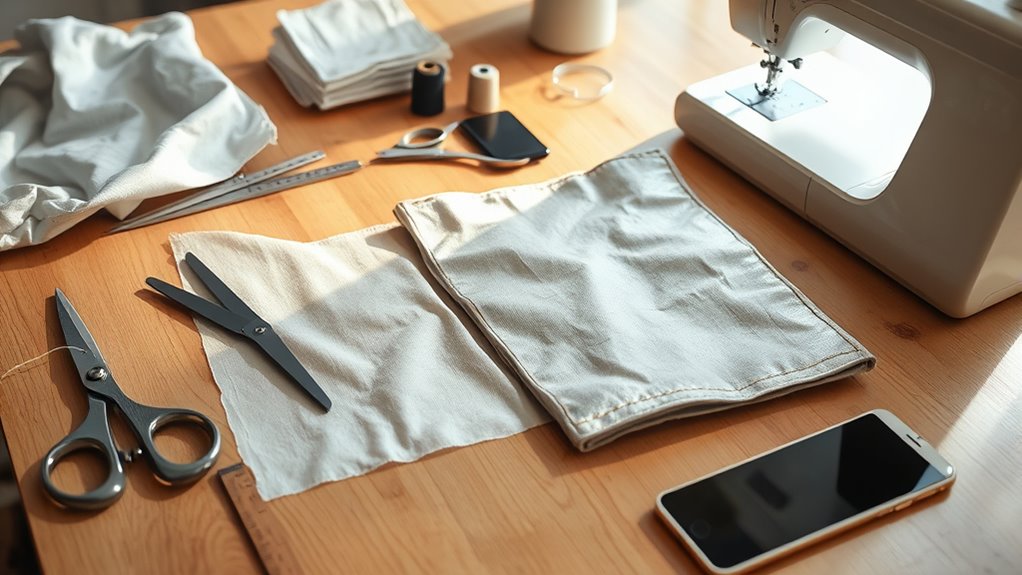
DIY Guide to Make a Faraday Bag at Home
Feeling worried about your personal data being accessed without permission? You’re not alone. Many people struggle with keeping their devices secure from unwanted signals and hacking attempts.
That’s why having a reliable Faraday bag can make all the difference in protecting your privacy.
Creating a DIY Faraday bag at home is simple and effective for protecting your devices from signals and unauthorized access. You just need metalized fabric or foil, a sturdy pouch, and some tape or Velcro.
Cut and fold the material to make a snug pocket for your devices, ensuring it’s well-sealed.
Test its effectiveness by checking if your phone can connect when inside. There’s plenty more to learn about enhancing your security and personalizing your bag!
Key Takeaways
- Use metalized fabric or aluminum foil as the main material to block electromagnetic signals effectively.
- Create a sturdy pouch by cutting and folding the conductive material. Make sure it fits your devices snugly.
- Seal the edges with tape or Velcro to prevent any gaps where signals might sneak in.
- Test how well the bag works by seeing if your devices can connect to networks or receive signals inside the pouch.
- Regularly check and clean the bag, fixing any damage to keep its signal-blocking power strong.
Why You Should Make a Faraday Bag for Your Devices
You might not realize it, but protecting your devices from electromagnetic interference is more important than ever. With our reliance on technology, ensuring signal protection has become a necessity. A Faraday bag acts as a shield against unwanted signals, keeping your devices safe from hacking, tracking, and interference.
When you create your own Faraday bag, you’re improving your device safety by minimizing the risk of data breaches. Imagine carrying your phone or credit cards without worrying about unauthorized access. It’s not just about privacy; it’s about securing your personal information from potential threats.
Making a Faraday bag at home is a simple and cost-effective way to safeguard your technology. You’ll gain peace of mind knowing your devices are protected from electromagnetic waves. So, take the step to create one and boost your digital security today.
Essential Materials for Your DIY Faraday Bag
Creating a DIY Faraday bag requires a few essential materials to guarantee effective signal blocking. By carefully considering your materials sourcing, you can create a functional bag without breaking the bank.
Crafting a DIY Faraday bag is simple and budget-friendly with the right materials for effective signal blocking.
Here’s a quick cost comparison of what you’ll need:
- Metalized Fabric or Foil: This acts as the primary barrier against signals. Look for options that are durable and flexible.
- A Sturdy Bag or Pouch: Choose one that fits your needs. Something that can hold your devices securely while being lightweight.
- Tape or Velcro: Use these to seal the edges, ensuring that signals can’t sneak in through gaps.
With these materials, you can effectively block unwanted signals, protecting your devices from unauthorized access. Remember, smart sourcing can save you money while still delivering a reliable Faraday bag.
Step-by-Step Instructions to Create Your Faraday Bag
Building your own Faraday bag can be a straightforward process that only requires a few simple steps. First, take your conductive material, like aluminum foil or a specialized fabric. Cut it into a size that comfortably fits your devices, guaranteeing you leave some extra for folding.
Next, fold the edges over to create a pocket. Make sure there are no gaps; any opening can compromise signal interference. If you’re using foil, you can tape the edges securely to maintain a solid barrier.
Once you’ve formed your pocket, place your device inside to confirm it fits snugly. Finally, test the bag by trying to send a signal to your device while it’s inside. If it doesn’t receive any signal, you’ve successfully created a Faraday bag for device protection!
Enjoy peace of mind knowing your electronics are shielded from unwanted transmissions.
How to Ensure Your Faraday Bag Works?
After successfully crafting your Faraday bag, it’s important to verify its effectiveness. You want to confirm that it provides adequate shielding against unwanted signals. Here’s how to perform signal testing:
- Use a Smartphone: Place your phone inside the bag, then try calling it. If the call doesn’t connect, your bag’s shielding is working.
- Check Wi-Fi and Bluetooth: Turn on Wi-Fi or Bluetooth and see if your devices can detect networks or pair with other devices while inside the bag. They shouldn’t be able to.
- Test with a Radio: Place a small radio inside and try tuning into a station. If it remains silent, your Faraday bag is effectively blocking signals.
Creative Ways to Personalize Your Faraday Bag
Personalizing your Faraday bag is a great way to make it truly yours and help it stand out from the crowd. You might want to pick out unique fabrics that catch your eye or add some decorative patches and embroidery for that extra flair. Plus, choosing custom closure options can really reflect your personal style.
Unique Fabric Choices
When you choose unique fabrics for your Faraday bag, you not only improve its functionality but also express your personal style. Opting for innovative materials can make your bag both stylish and effective.
Here are three great options to evaluate:
- Conductive Fabrics: These materials not only block electromagnetic radiation but also add a modern touch to your design.
- Shielding Textiles: Look for fabrics specifically designed for shielding, ensuring your devices stay protected while offering a unique aesthetic.
- Eco-Friendly Options: Incorporate sustainable fabrics like organic cotton or recycled materials to showcase your commitment to the environment.
Mixing and matching these fabric choices can make your Faraday bag a true reflection of you while providing the necessary protection for your electronics.
Decorative Patches and Embroidery
Regarding decorative stitching, don’t hesitate to experiment with different colors and styles; they can add an artistic flair. Think about strategic patch placement. Positioning patches on the front or sides can create a balanced look.
You could also layer smaller patches atop larger ones for depth. Whether you’re into playful designs or more minimalist aesthetics, these personal touches will not only improve the bag’s appearance but also make it truly yours.
Release your creativity and enjoy the process of personalizing your Faraday bag!
Custom Closure Options
Adding custom closure options can improve your Faraday bag’s uniqueness even further. You can choose from various secure mechanisms that not only keep your devices safe but also express your style.
Here are three creative ideas:
- Magnetic Snap: Use custom materials like fabric or leather for added flair, ensuring easy access while keeping your items secure.
- Zipper Pulls: Opt for colorful or themed zipper pulls to personalize your bag while incorporating a reliable closure.
- Velcro Straps: Choose patterned Velcro straps for a fun, adjustable closure that’s both practical and stylish.
With these custom closure options, you can make your Faraday bag a true reflection of your personality while ensuring it remains functional and secure.
Avoid These Common DIY Faraday Bag Fails
When you’re making your own DIY Faraday bag, it’s really easy to miss some important details that can mess with how well it works. For example, not using enough layers of material or not sealing it properly are mistakes a lot of people make. These slip-ups can leave your devices exposed when you’re trying to protect them.
Insufficient Material Layers
- Layer Composition: Use multiple layers of conductive materials to improve protection.
- Testing Methods: After assembly, test your bag with a smartphone to verify it blocks signals effectively.
- Durability Concerns: Consider insulation properties and durability; flimsy materials won’t hold up over time.
Poor Sealing Techniques
Even the best materials can’t save a Faraday bag if the sealing techniques are poor. If you don’t properly seal the edges, electromagnetic signals can sneak in, rendering your bag ineffective.
Using tape? Confirm it’s conductive and securely applied. Overlapping layers can also create gaps, so be meticulous. You might opt for heat sealing, but make certain the heat doesn’t damage the material quality.
Test your bag after sealing; if your devices still receive signals, it’s time to reassess your approach. Remember, a Faraday bag is only as good as its weakest link, often that’s the seal. Don’t rush this vital step; take your time to guarantee a solid, effective barrier for your electronics.
Maximize Your Security With Effective Faraday Bag Usage
Release your security potential by effectively using a Faraday bag. These bags are your first line of defense against unwanted signal interference, guaranteeing your devices stay private and secure. To maximize their effectiveness, follow these key tips:
- Seal Properly: Confirm the bag is fully closed to assure complete signal blocking.
- Store Wisely: Keep your devices in the Faraday bag when not in use, especially in public spaces, to improve privacy protection.
- Test Regularly: Periodically check the bag’s performance by attempting to connect to a network while your devices are inside.
Using a Faraday bag correctly helps prevent unauthorized access to your personal data. By implementing these strategies, you can considerably improve your security and maintain your privacy in an increasingly connected world.
Alternative Methods to Shield Devices From Signals
If you’re looking for quick ways to block signals, aluminum foil can be surprisingly effective. It’s easy to find and works pretty well when wrapped around your device. You can also repurpose metal containers, like old tins or boxes, to create your own shielding solutions. These simple alternatives are a great way to boost your device protection without spending much. Let’s check out how these methods can help keep signals at bay.
Using Aluminum Foil
While you might think high-tech solutions are necessary for shielding your devices from signals, aluminum foil can surprisingly do the trick. Thanks to its excellent aluminum properties, it effectively blocks signals, making it a great DIY option for a Faraday bag.
Here’s how you can use aluminum foil for signal blocking:
- Wrap your device: Make certain to cover it completely, leaving no gaps.
- Create layers: Use multiple layers of foil for better insulation against signals.
- Seal it tight: Confirm that the edges are well-sealed to maintain the signal-blocking effect.
Repurposing Metal Containers
Metal containers can be an excellent alternative for shielding your devices from signals. You can use various metal container types, like old coffee cans, tin boxes, or even metal toolboxes, to create an effective barrier.
To start, verify the container has a tight-fitting lid, which is vital for signal blocking. Simply place your devices inside, seal it up, and you’re good to go. These containers can block signals from RFID readers, cell towers, and other transmission sources, keeping your data safe.
Plus, repurposing these containers is eco-friendly and cost-effective. Just make certain the metal isn’t damaged, as any gaps can compromise their shielding ability. Enjoy the peace of mind that comes with effective signal protection!
Maintenance Tips for Your DIY Faraday Bag
To guarantee your DIY Faraday bag remains effective, regular maintenance is essential. Keeping your bag in top shape guarantees it continues to protect your devices from electromagnetic interference. Here are three important maintenance tips:
- Regular Cleaning: Use a soft, damp cloth to wipe the exterior and interior. Avoid harsh chemicals that could damage the materials.
- Inspect for Damage: Periodically check for any holes or tears. If you find any, repair them promptly to maintain the bag’s shielding effectiveness.
- Store Properly: When not in use, keep your Faraday bag in a cool, dry place. This prevents wear and tear and extends its lifespan.
Where to Find Additional Resources for Faraday Bags
Wondering where to find reliable resources for your Faraday bag projects? Start by checking online forums and DIY communities dedicated to electronics and security. Websites like Instructables and Reddit have countless discussions and tutorials that can guide you in choosing the right Faraday bag materials. You’ll find tips from enthusiasts who share their experiences and recommendations.
Don’t overlook YouTube. Many creators demonstrate how to make effective Faraday bags while explaining the science behind signal interference. You can also find specialized blogs focusing on electromagnetic shielding, which explore deeper into material properties and performance.
For more technical insight, consider academic articles or research papers on electromagnetic fields and shielding techniques. These can provide a solid foundation to understand how various materials block signals. Combining these resources will empower your DIY projects and guarantee you’re well-equipped for effective signal interference.
Frequently Asked Questions
Can I Use Aluminum Foil for a Faraday Bag?
Yes, you can use aluminum foil for a Faraday bag! Aluminum foil’s conductive properties make it a suitable material for blocking electromagnetic signals.
Just remember to create multiple layers, as a single layer might not be enough. Make sure the foil completely encloses the items you want to protect.
While it’s not as durable as other Faraday bag materials, it’s a quick and inexpensive solution for temporary use. Just keep it secure to maintain effectiveness!
How Do I Test My Faraday Bag’s Effectiveness?
To test your Faraday bag’s effectiveness, you’ll want to use a few simple methods. First, place your phone inside and call it. If it rings, your bag isn’t working.
Next, try using a radio. If you hear interference, it’s a sign your bag’s shielding isn’t strong enough. Remember, the goal is to block signals completely, so don’t be surprised if you find some designs perform better than others.
Happy testing!
What Devices Can I Protect With a Faraday Bag?
You can protect various device types with a Faraday bag, including smartphones, tablets, laptops, and RFID-enabled cards. By using a Faraday bag, you guarantee these devices are shielded from electromagnetic interference and unauthorized access, enhancing their security.
This protection benefits you by preventing tracking, hacking, or data theft, keeping your sensitive information safe from prying eyes. So, if you rely on these gadgets, consider investing in a quality Faraday bag for peace of mind.
Are Commercial Faraday Bags Better Than DIY Ones?
Imagine a knight choosing between a handcrafted sword and a mass-produced blade. When it comes to Faraday bags, commercial quality often wins because of rigorous testing and reliable materials.
While DIY materials can work, they might lack the durability and effectiveness you need for ultimate protection. If you’re serious about guarding your devices, investing in a commercial bag is a smart choice. It’s like choosing armor that’s been battle-tested.
How Long Will a DIY Faraday Bag Last?
A DIY Faraday bag can last anywhere from a few months to several years, depending on durability factors and material choices. If you use high-quality materials like aluminum foil or conductive fabrics, and guarantee proper sealing, you’ll improve its lifespan.
However, exposure to wear and tear, environmental conditions, and frequent use can shorten its effectiveness. Regularly check for damage to keep it functional over time.
Conclusion
To sum up, creating your own Faraday bag isn’t just a crafty project; it’s like crafting a shield of invincibility for your devices! With just a few materials and some creativity, you’re not only protecting your privacy but also building a fortress against relentless signals.
So, go ahead, make that Faraday bag and feel like a modern-day superhero guarding your digital world from prying eyes. Your devices deserve nothing less than this legendary protection!