7 Items Not Allowed in Your TSA Carry Bag
Traveling with a carry-on can be stressful, especially when you’re worried about what’s allowed through TSA. You’re not alone—many people struggle with packing the right items and avoiding delays at security. Knowing exactly what you can and can’t bring makes the whole process smoother and less frustrating.
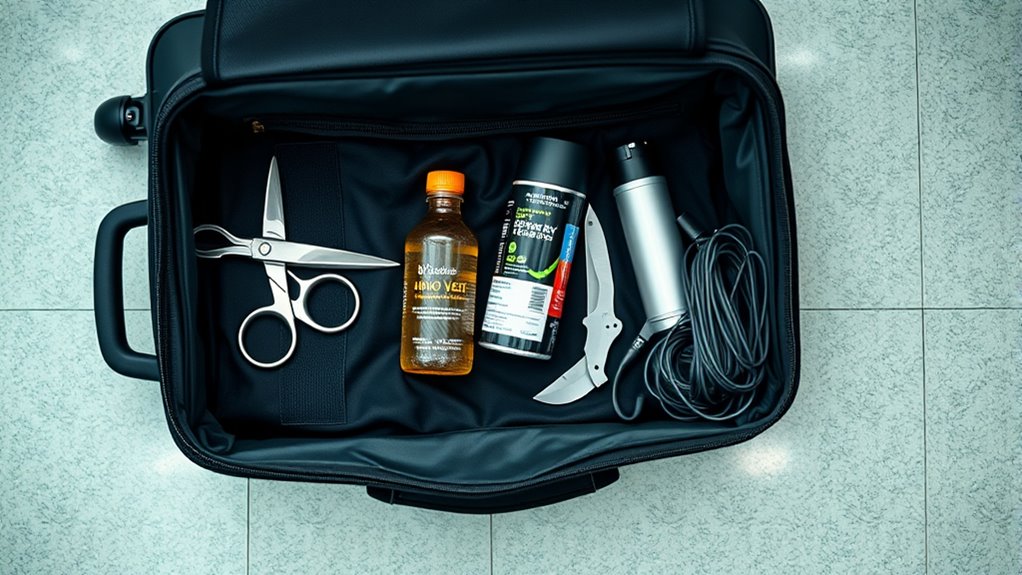
When packing your TSA carry-on, you can’t bring certain items to avoid hassles. Prohibited liquids over 3.4 ounces must fit in a quart-sized bag. Sharp objects like knives and scissors longer than four inches aren’t allowed.
Explosives, flammable liquids, and specific sporting equipment can’t be carried on either. Even small tools have restrictions. If you’re unsure about what’s acceptable, stick around to uncover more details that will keep your travel smoother.
Key Takeaways
- Liquids over 3.4 ounces must be in a clear quart-sized bag. Solid foods are generally acceptable.
- Sharp objects like knives and scissors with blades over four inches are prohibited.
- Explosive materials, including fireworks and flammable liquids, are strictly forbidden in carry-ons.
- Sporting equipment like golf clubs and ski poles must be checked, not carried on.
- Tools exceeding seven inches or self-defense items like pepper spray are not allowed in carry bags.
Prohibited Liquids and Food in TSA Carry-Ons
When you’re packing for your flight, it’s essential to keep in mind that certain liquids and foods aren’t allowed in your TSA carry-on. The TSA enforces strict liquid limits, meaning you can only bring containers of 3.4 ounces (100 milliliters) or less, all fitting in a single clear quart-sized bag. Anything larger will be confiscated, so double-check your bottles before heading to the airport.
As for food, pay attention to packaging. Solid foods like sandwiches or snacks are usually fine, but liquids like soups or dips can cause problems. If you’re bringing sauces or spreads, they must comply with the liquid limits. Always opt for well-sealed food packaging to prevent spills during your travels. Being aware of these restrictions can save you time and hassle at security, ensuring a smoother start to your journey.
Sharp Objects: What You Can’t Bring
When you’re packing your carry-on, it’s super important to know which sharp objects are a no-go. Things like knives and some kitchen tools just won’t get past security. And hey, you might be surprised to learn that certain sporting equipment is off-limits too. So, let’s take a quick look at what you can’t bring to keep your trip hassle-free.
Common Sharp Objects
While packing for your flight, it’s crucial to keep in mind that certain sharp objects are strictly prohibited in your TSA carry-on. Common misconceptions suggest that only knives are restricted, but several sharp object types, including scissors with blades longer than four inches and razor blades, are also off-limits.
Even small items like nail clippers can be problematic if they have a built-in file. You might think your multi-tool is acceptable, but many of them contain blades that can get you into trouble.
To avoid delays and confiscation at security, double-check your bag and leave any questionable sharp objects at home. Staying informed will make your travel experience smoother and stress-free.
Prohibited Kitchen Tools
Many travelers underestimate the restrictions on kitchen tools in their carry-on bags. When packing, keep in mind that many culinary tools are off-limits. Sharp knives, including paring and chef’s knives, can’t make the cut.
Even small kitchen gadgets like scissors can raise red flags. If it’s designed to slice, dice, or chop, it’s best left at home. You might think a butter knife is harmless, but it’s also prohibited if it’s too sharp.
TSA’s rules are strict for safety reasons, so avoid carrying anything that could be used as a weapon. Stick to your non-sharp kitchen essentials, and you’ll breeze through security without a hitch. Always double-check the latest guidelines to stay informed!
Sporting Equipment Restrictions
Travelers often overlook the restrictions on sporting equipment, but it’s essential to know what you can’t bring. Regarding basketball restrictions, you won’t be allowed to carry any items that resemble a weapon, such as a basketball bat or similar objects.
Golf club regulations also prohibit packing clubs in your carry-on; they must go in checked luggage. Sharp objects like knives or any form of ski poles are typically not allowed either.
Always check specific airline policies, as they may vary. To avoid delays or confiscation, leave these items at home or pack them properly. Stay informed, and you’ll navigate security smoothly, keeping your focus on the game ahead.
Prohibited Explosive Materials: What You Need to Know
When packing for your flight, it’s essential to understand that certain explosive materials are strictly prohibited in your carry-on bag. The TSA implements strict safety regulations to guarantee everyone’s safety. They use advanced explosive detection systems to identify prohibited items. Ignoring these rules can lead to serious consequences.
Here’s a quick list of explosive materials you should never bring:
- Fireworks and pyrotechnics
- Flammable liquids, like gasoline or lighter fluid
- Explosive powders, such as gunpowder
- Any form of blasting caps or detonators
Always double-check your belongings before heading to the airport. If you’re unsure about a specific item, it’s best to leave it at home. Staying informed and adhering to these regulations not only keeps you safe but also helps guarantee a smooth travel experience.
Sporting Equipment: What’s Allowed in Your Carry-On?
When you’re packing for your trip, it’s good to know which sporting equipment you can bring in your carry-on. Some items are totally allowed, but others are a no-go and might slow you down at security. So, let’s take a closer look at what you can safely pack for your next adventure.
Allowed Sporting Equipment Types
While packing for your next adventure, it’s essential to know which sporting equipment you can bring in your carry-on. Here’s a quick guide to help you pack wisely:
- Tennis rackets: You can easily fit these in your bag.
- Fishing poles: Just verify they’re the right size for carry-on.
- Yoga mats: Perfect for staying limber during your travels.
- Basketball gear: A great choice if you want to shoot some hoops on the go.
Other items like golf clubs, baseball bats, hockey sticks, and surfboards may have restrictions or need special handling. So, check your airline’s specific guidelines. Knowing what you can take helps make your trip smoother and more enjoyable!
Prohibited Items Overview
Even with a solid understanding of what’s allowed, it’s just as important to know which sporting equipment you can’t bring in your carry-on. Items like baseball bats, golf clubs, and hockey sticks are prohibited due to security measures aimed at ensuring everyone’s safety.
You may also want to avoid bringing tools, like wrenches or saws, which can be classified as sporting equipment in some contexts. For travel tips, consider shipping larger items to your destination instead.
Always check with your airline for specific guidelines, as restrictions can vary. By being informed, you can streamline your travel experience and avoid any last-minute surprises at the airport. Stay updated on regulations to keep your journey hassle-free!
Tools and Instruments: TSA Guidelines You Should Know
Although packing for air travel can be stressful, knowing the TSA’s guidelines on tools and instruments can save you time and hassle at security. Familiarizing yourself with these regulations is essential for tool safety. Here’s what you need to keep in mind:
- Allowed: Small tools like screwdrivers and pliers (less than 7 inches)
- Prohibited: Sharp tools such as knives and saws
- Checked Baggage Only: Larger tools like hammers and drills
- Special Items: Musical instruments might need special handling
Self-Defense Items: What’s Allowed and What’s Not
Packing for air travel can be challenging, especially regarding self-defense items. You might be tempted to bring pepper spray or a self-defense keychain, but be cautious. Most TSA regulations prohibit these items in your carry-on bag, as they can be considered weapons.
Understanding self-defense laws is essential; what’s legal in your state might not be allowed on a plane. While you can carry personal safety items like a whistle or a personal alarm, always check TSA guidelines before you pack.
Items like tasers or stun guns are also banned in carry-on luggage. If you’re unsure, it’s best to leave these items at home to avoid delays or confiscation at security.
Food and Beverages: What You Can’t Take Through Security
When you’re preparing for a flight, knowing what food and beverages you can’t take through security can save you time and frustration. The TSA has specific snack regulations and beverage sizes that you should be aware of before heading to the checkpoint.
Here’s a quick rundown of what you should leave behind:
- Liquid foods: Soups, sauces, and dips exceed the allowable size limit.
- Alcoholic beverages: Anything over 3.4 ounces is a no-go.
- Perishable items: Foods that spoil easily, like dairy or fresh meats, aren’t allowed.
- Gel-like snacks: Items like yogurt or pudding must fit the liquid regulations.
To make your journey smoother, stick to solid snacks and verify your beverages are within the approved size limits. Following these guidelines means less hassle and more time enjoying your trip!
Frequently Asked Questions
Can I Bring a Vape Pen in My Carry-On?
Yes, you can bring a vape pen in your carry-on, but you need to follow specific vape pen regulations. Make certain it’s securely packed, and the battery is protected to prevent accidental activation.
TSA carry-on policies allow e-cigarettes and vape pens, but you can’t use them during the flight. Always check with your airline, too, as they might have additional rules regarding vaping devices.
Stay informed to guarantee a smooth travel experience!
Are There Restrictions on Electronic Devices Larger Than a Smartphone?
Absolutely, you’ve got to be aware of laptop restrictions and tablet policies. Larger electronic devices, like laptops and tablets, typically need to be removed from your bag during screening. You’ll place them in separate bins for a smoother security check.
However, if you’re traveling internationally, some destinations might have additional demands. Stay savvy and stay informed to guarantee your journey’s hassle-free. After all, a little preparation goes a long way!
What About Medical Supplies and Equipment in Carry-On Bags?
You can bring medical supplies and equipment in your carry-on bag, but you need to follow certain medication regulations. Make sure your medications are clearly labeled, and consider carrying a doctor’s note if you have assistive devices like a CPAP machine or insulin pump.
It’s wise to check with your airline in advance, as they might have specific guidelines, ensuring your travel goes smoothly without any surprises at security.
Can I Carry My Pet Food Through TSA Security?
Yes, you can carry your pet food through TSA security, but you need to follow specific pet food regulations. TSA guidelines allow solid pet food in your carry-on, so pack it in a spill-proof container.
However, if you bring wet food, it must comply with the liquid restrictions. Containers should be 3.4 ounces or less.
Always check with your airline too, as they may have additional requirements for traveling with pets.
Are There Any Restrictions on Baby Formula or Breast Milk?
Yes, there are some restrictions on baby formula and breast milk, but you can bring them through TSA. You’re allowed to carry baby food, formula, and breast milk in reasonable quantities for your trip.
Just declare them at security, and expect to have them screened separately. For smooth travel, consider packing them in clear containers and keeping them accessible.
These travel tips can help guarantee you and your little one are well-prepared.
Conclusion
Steering through TSA rules can be a hassle, but knowing what you can’t bring makes the process smoother. Sure, it might seem unfair to leave behind your favorite snack or that trusty pocket knife, but these guidelines are in place to keep everyone safe.
So, next time you pack, just remember: a little planning goes a long way. Welcome the adventure of travel, and focus on the great experiences awaiting you at your destination. Keeping in mind the 7 items not allowed in your TSA carry bag will help you breeze through security with ease.